
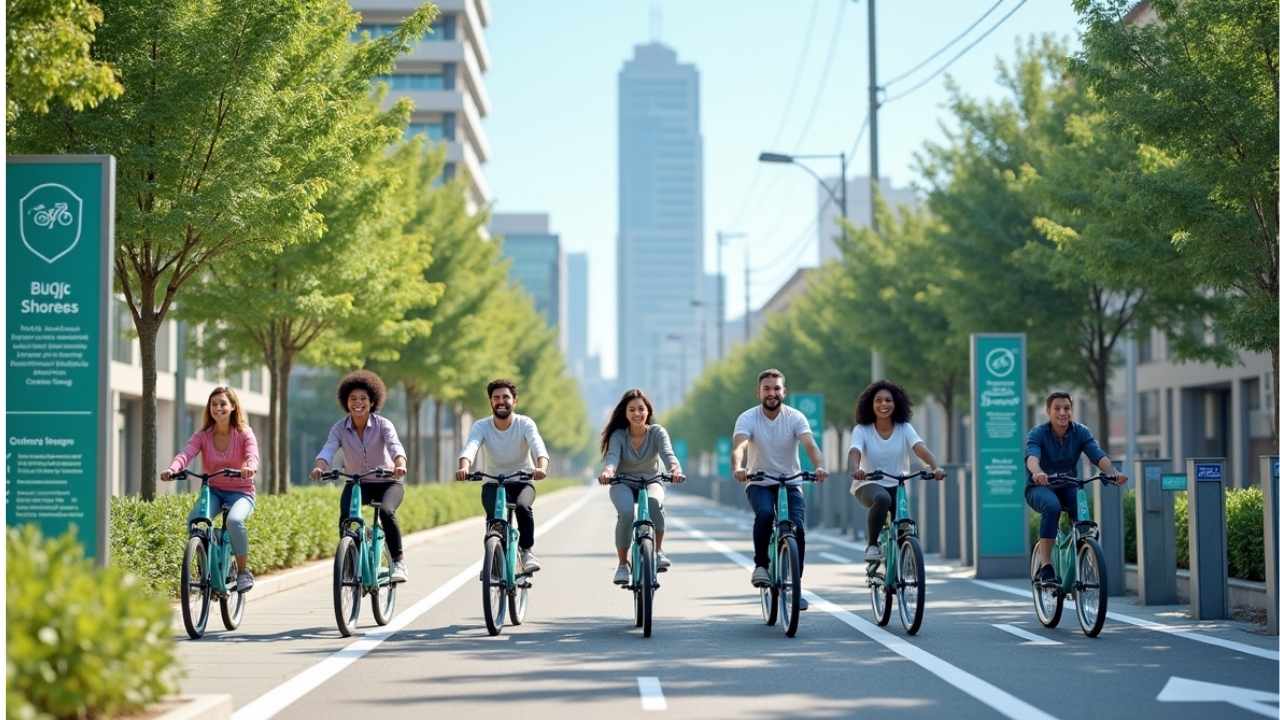


Let’s face it—urban commuting can be a real headache. Between bumper-to-bumper traffic, crowded buses, and the constant search for parking, getting from point A to B in a city can often feel like a daily battle. But there’s a fresh breeze blowing through our city streets, and it’s powered by pedals and technology.
Welcome to the era of bike-sharing technology—a smart, sustainable, and empowering solution that’s transforming how we move through our communities. Whether you’re looking to reduce your carbon footprint, save money, or just add a little movement into your day, bike-sharing offers more than just a ride—it offers a lifestyle shift.
What Is Bike-Sharing Technology?
In simple terms, bike-sharing systems allow users to borrow a bicycle from one location and return it to another, usually through a mobile app or smart card. These programs range from docked systems—where bikes are picked up and dropped off at designated stations—to dockless systems that rely on GPS tracking and mobile apps to locate, unlock, and return bikes anywhere within a service area.
The key behind all this? Smart technology: GPS, IoT sensors, solar-powered stations, app-based integration, and real-time data collection. These innovations allow for easy access, improved security, route tracking, and optimized distribution of bikes across the city.
Why Bike-Sharing Matters More Than Ever
There’s no question—urban areas are in desperate need of cleaner, smarter transportation solutions. Here’s why bike-sharing is part of the answer:
-
Eco-friendly: Biking produces zero emissions and helps reduce air pollution and traffic congestion.
-
Health-boosting: It gets you moving, improves cardiovascular health, and lifts your mood.
-
Affordable: It’s significantly cheaper than owning a car or even taking public transport in many cities.
-
Efficient: Perfect for the “last mile” between transit stops and destinations.
Real Talk: The Impact Speaks for Itself
Cities like Paris, New York, Beijing, and Amsterdam are seeing massive success with bike-sharing programs. Paris’ Vélib’ system averages over 100,000 rides a day. In China, Mobike and Ofo pioneered dockless systems that spread rapidly to hundreds of cities. The takeaway? This is more than a trend—it’s a movement.
How Does Bike-Sharing Technology Work?
Let’s break it down into the key components that make this system tick.
1. User-Friendly Mobile Apps
Apps are the central hub of bike-sharing. They let users find nearby bikes, reserve them, unlock them, and even pay for the ride—all with a few taps.
2. Smart Locks and QR Codes
Each bike comes with an embedded lock that’s connected to a centralized system. Scanning the QR code unlocks the bike for use and records your journey.
3. GPS Tracking
Real-time tracking allows users to locate the nearest bike while helping operators manage fleet distribution and prevent theft.
4. Docking Stations (for some systems)
In docked systems, bikes must be returned to specific stations, reducing clutter but limiting flexibility.
5. Data Analytics and AI
Operators analyze travel data to optimize bike availability, suggest new station locations, and improve maintenance schedules.
Actionable Tips to Get Started with Bike-Sharing
Whether you’re a newbie or someone who hasn’t ridden in years, here’s how to make the most of bike-sharing in your city:
-
Download the App Ahead of Time: Familiarize yourself with the interface and sign up before you need a ride.
-
Wear a Helmet: Safety first, always.
-
Plan Your Route: Use the app or Google Maps to choose bike-friendly paths.
-
Check the Bike: Make sure the brakes, tires, and gears are functioning before you ride.
-
Start Small: Try it out for short distances first—maybe to the grocery store, a friend’s house, or work.
-
Return Properly: If it’s a docked system, make sure your bike is securely locked in the station.
The Hidden Benefits of Bike-Sharing
Beyond convenience, here’s what you might not expect:
-
Stress Reduction: Riding through a park or quiet street is often more peaceful than honking traffic.
-
Time Management: No more waiting for delayed buses or circling for parking.
-
Social Engagement: Community events, group rides, and “bike-to-work” days can foster new friendships and civic pride.
Challenges and Future Innovations
No system is without its hurdles. Issues like vandalism, clutter from dockless bikes, and poor infrastructure can slow adoption. However, the future looks bright. Upcoming developments include:
-
E-bike integration for hilly areas or longer commutes.
-
Solar-powered stations to reduce operational costs.
-
Smart helmets and safety gear connected to the network.
-
Integration with public transport for seamless intermodal commuting.
Frequently Asked Questions (FAQs)
1. Is bike-sharing safe in busy urban areas?
Yes, but always exercise caution. Choose bike lanes when available, wear a helmet, and be alert.
2. Do I need to return the bike to the same location?
It depends. Dockless systems allow flexible drop-offs, while docked systems usually require you to return it to a designated station.
3. What if the app doesn’t work or the bike is damaged?
Most apps have customer support and allow users to report issues. Always inspect your bike before use.
4. Is bike-sharing expensive?
Not at all! Most systems offer very affordable short rides, with many offering daily, weekly, or monthly passes.
5. Can tourists use bike-sharing too?
Absolutely. Most apps accept international payments, making them tourist-friendly.
Conclusion
Bike-sharing technology is more than just a convenience—it’s a lifestyle shift toward sustainability, freedom, and community. With every ride, we’re not just saving money or getting to work faster—we’re reducing emissions, improving health, and reclaiming our cities for people instead of cars.
So, hop on and give it a try. You might just discover that your new favorite way to travel is the one powered by your own two legs.
We’d love to hear your thoughts. Have you tried bike-sharing in your city? What time-saving or commute strategies work best for you? Drop your ideas, tips, or personal stories in the comments—we’re all riding this journey together!